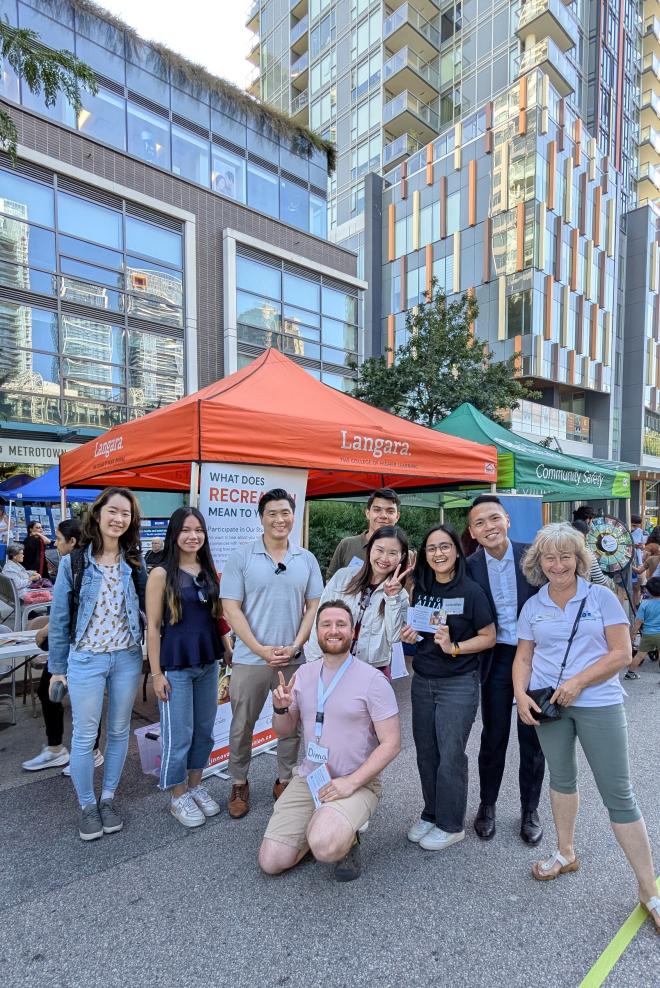
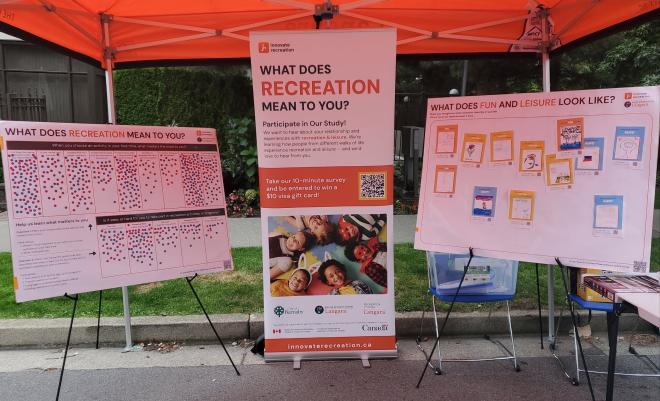
The IDEAs in Public Recreation Research Project, an applied research initiative at Langara College examines the barriers that immigrant and racialized communities face in accessing public recreation in British Columbia.
Yue-Ching Cheng, one of the project’s principal researchers and Chair of the Department of Recreation Studies at snəw̓eyəɬ leləm̓, explains: "Public recreation is intended to foster belonging, well-being, and social connection. However, there is limited Canadian research on how newcomers define recreation, what barriers they face, and whether municipal services reflect their needs."
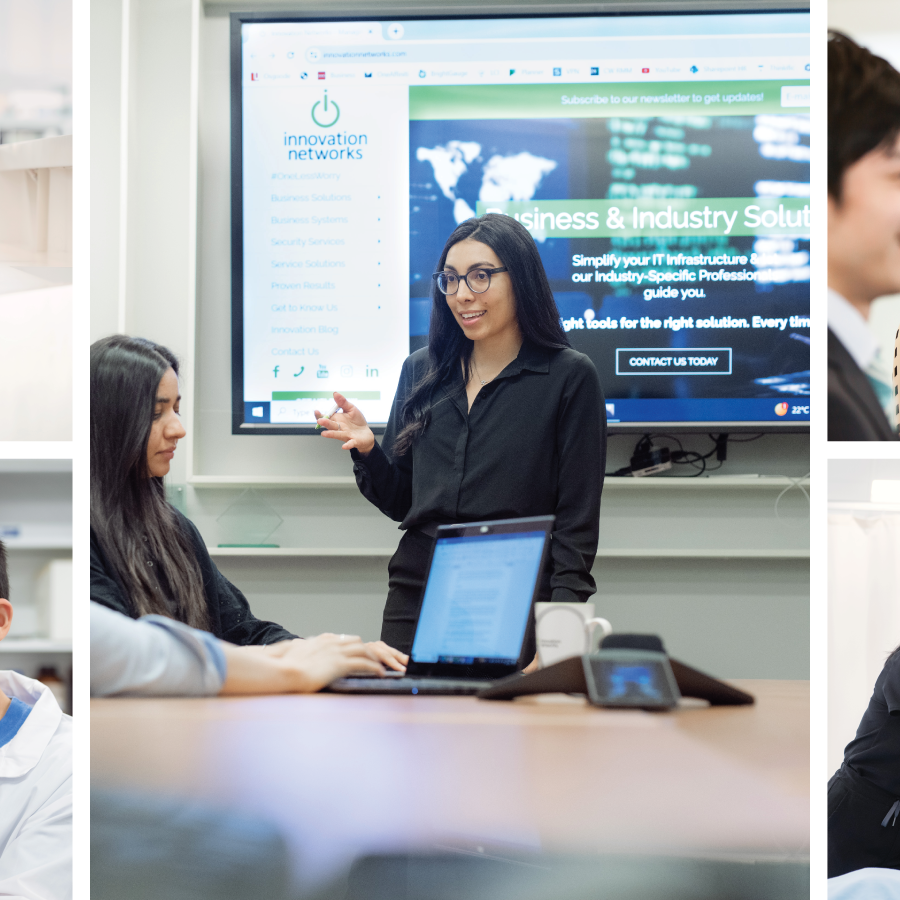
This multidisciplinary initiative addresses these gaps through community engagement and partnerships with municipalities and organizations. It is also embedded in course-based learning within Langara’s Recreation Studies programs, where students apply classroom knowledge to real community challenges through hands-on experience that prepares them for future careers.
Community engagement
Collaboration with community organizations is central to the project’s impact. "Public recreation is delivered by municipalities, so meaningful change must involve them directly," says Cheng. Partnerships with municipalities and entities such as the City of Burnaby, the City of Courtenay, and the BC Recreation and Parks Association ensure students are working on real challenges that matter to communities.
Student researchers at Langara play a crucial role in this initiative, and this project has brought together students from varying fields of study. Fraser Cameron completed a Recreation Leadership diploma and an Applied Planning post-degree diploma at Langara. Now a junior research assistant, Fraser says, “This project has given me a chance to work on applied research that will go to informing real-world municipal decision making.” The hands-on experience equips students with career-ready skills in community engagement, applied research, and working with diverse populations, setting them up for future careers in public service.
Uncovering insights
According to Cheng, one of the clearest lessons from working closely with communities is that "recreation does not mean the same thing to everyone." For many newcomers, recreation includes connections, family gatherings, and cultural expressions, extending beyond structured programs. This insight is shaping the project’s approach and reinforcing the need for community-centric solutions.
Computer Science graduate Axel Gael Velasquez Castaneda remarks, “The diversity of thought and insight you gain through engagement is tremendous.” This diverse input is critical for crafting relevant community initiatives aimed at fostering inclusivity.
Experiences that shape careers
For students, working on this project can be a turning point. Jennifer Mallari, a Web and Mobile App Design and Development graduate, grew into roles that involved project management and community engagement. “Stepping into these responsibilities helped me grow not only professionally but also personally.”
Jennifer’s sentiment reflects a common theme among students involved. They gain not only academic knowledge but also real-world applications that enhance their career aspirations. As Paula Parman, a Recreation Studies student, puts it, "My journey in the Langara Recreation Studies program has been invaluable; it challenged me to see my work through different lenses."
These experiences help prepare students for careers in municipal recreation, community organizations, and non-profits.
Paths forward
This work is about more than just research. It also points to better community health and well-being through recreation. As the initiative prepares for its next phase, the focus remains on creating practical engagement tools and training for municipal staff that will extend the benefits of this research across communities. As Cheng states, “The long-term impact is both systemic and educational.” The IDEAs initiative offers a unique foundation in applied research skills and practical experience, preparing graduates to influence public recreation systems.
The IDEAs in Public Recreation Research Project reflects Langara’s commitment to accessible education, applied learning and community impact. It also highlights how Langara students are helping shape more inclusive public recreation systems across British Columbia.
Through initiatives like IDEAs, students gain real-world experience, build in-demand skills, and make a meaningful impact while still in their studies. These opportunities include course-based projects, practicums, and research assistant roles at Langara’s Applied Research Centre (ARC).
Langara’s Applied Research Centre brings together faculty, students and community partners on applied research projects with real-world impact. Students interested in getting involved can watch for research assistant postings on the C3 Job Board.