Sustainability
Together, we’re building a more sustainable Langara.
Langara recognizes that our environment, our communities, and our economy are interconnected. Through education, responsible campus operations, and community engagement, we empower our community to act today and help create a more sustainable future.
Our Impact
DOWN
61
%
Fuel emissions reduction per square metre since 2007.
75
%
of one-way trips. Students and employees choose transit, biking, or walking.
40
%
Campus waste diverted from landfill.
Explore Sustainability at Langara
Image
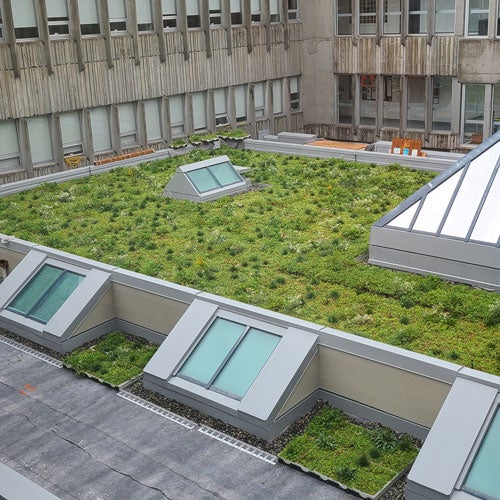
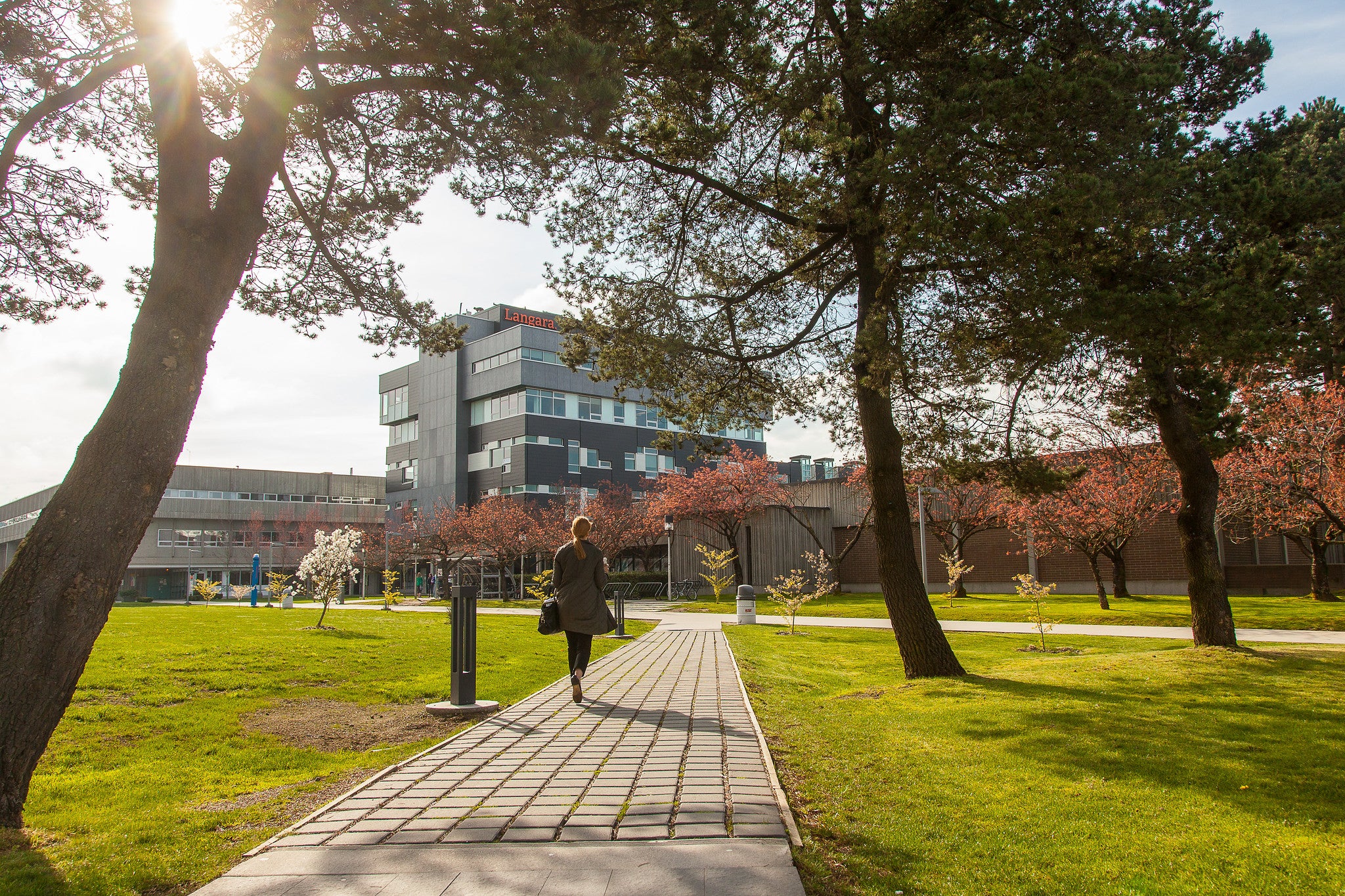
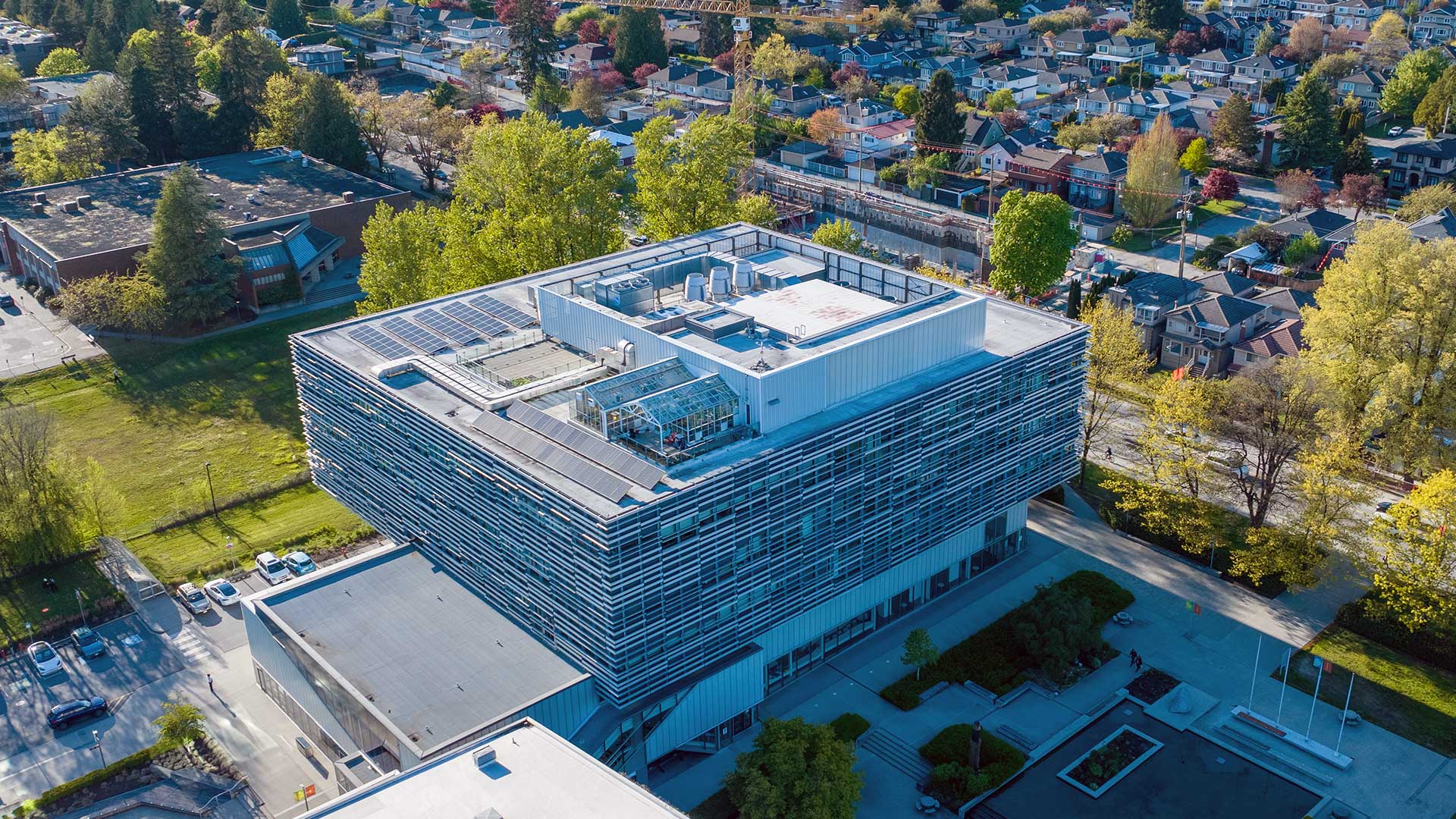
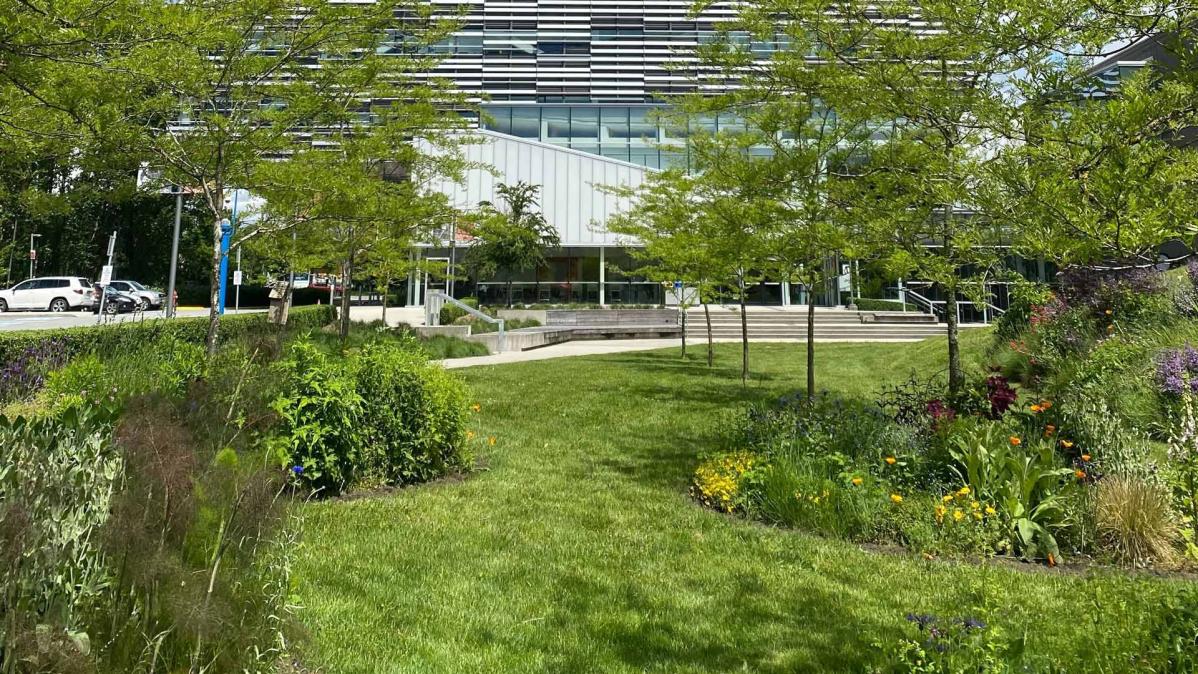
Sustainable Campus Operations
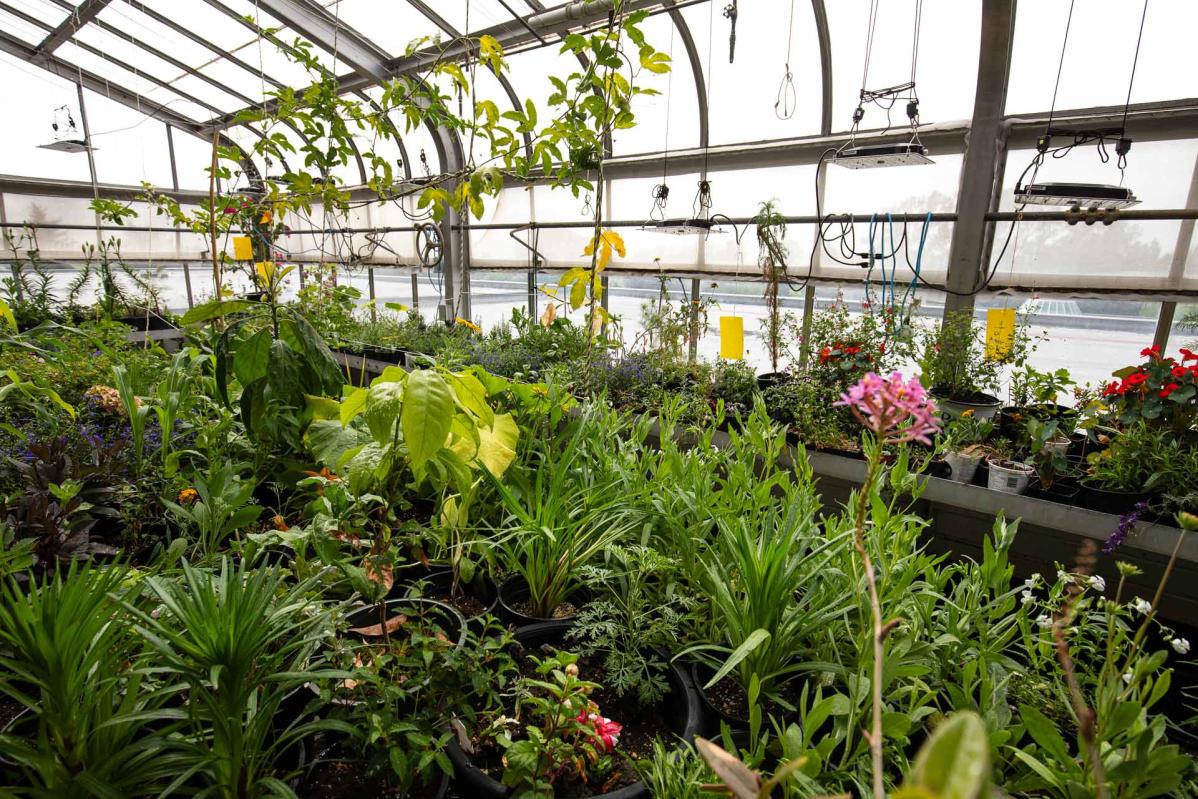
Learn how Langara is advancing our sustainability goals through initiatives like green buildings, energy management, local food and biodiversity.
Image
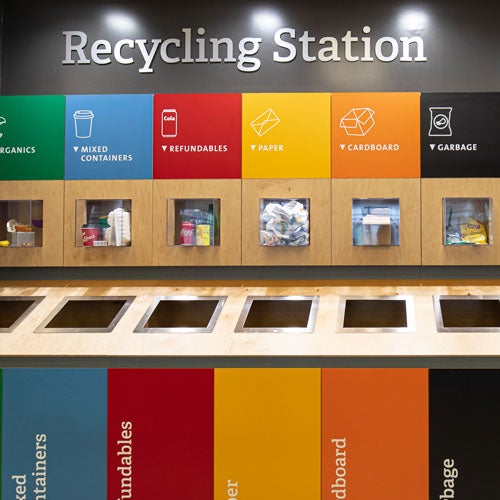
Sustainable Living at Langara
Sustainability starts with everyday choices. When we all act together, small actions have a big impact.
Students and employees can support sustainability on campus by reducing waste, choosing active or low-carbon transportation, making sustainable food choices, and participating in campus events and initiatives that help create a healthier, more sustainable community.
Image
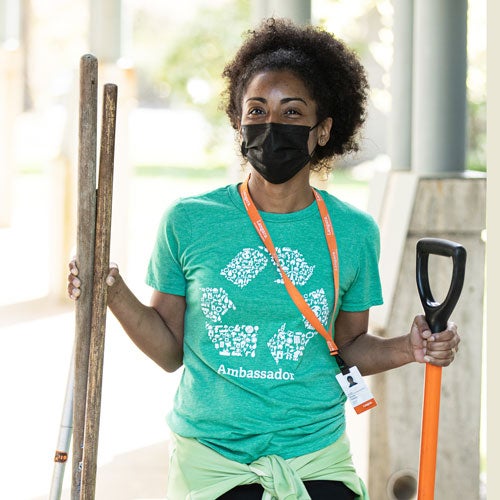
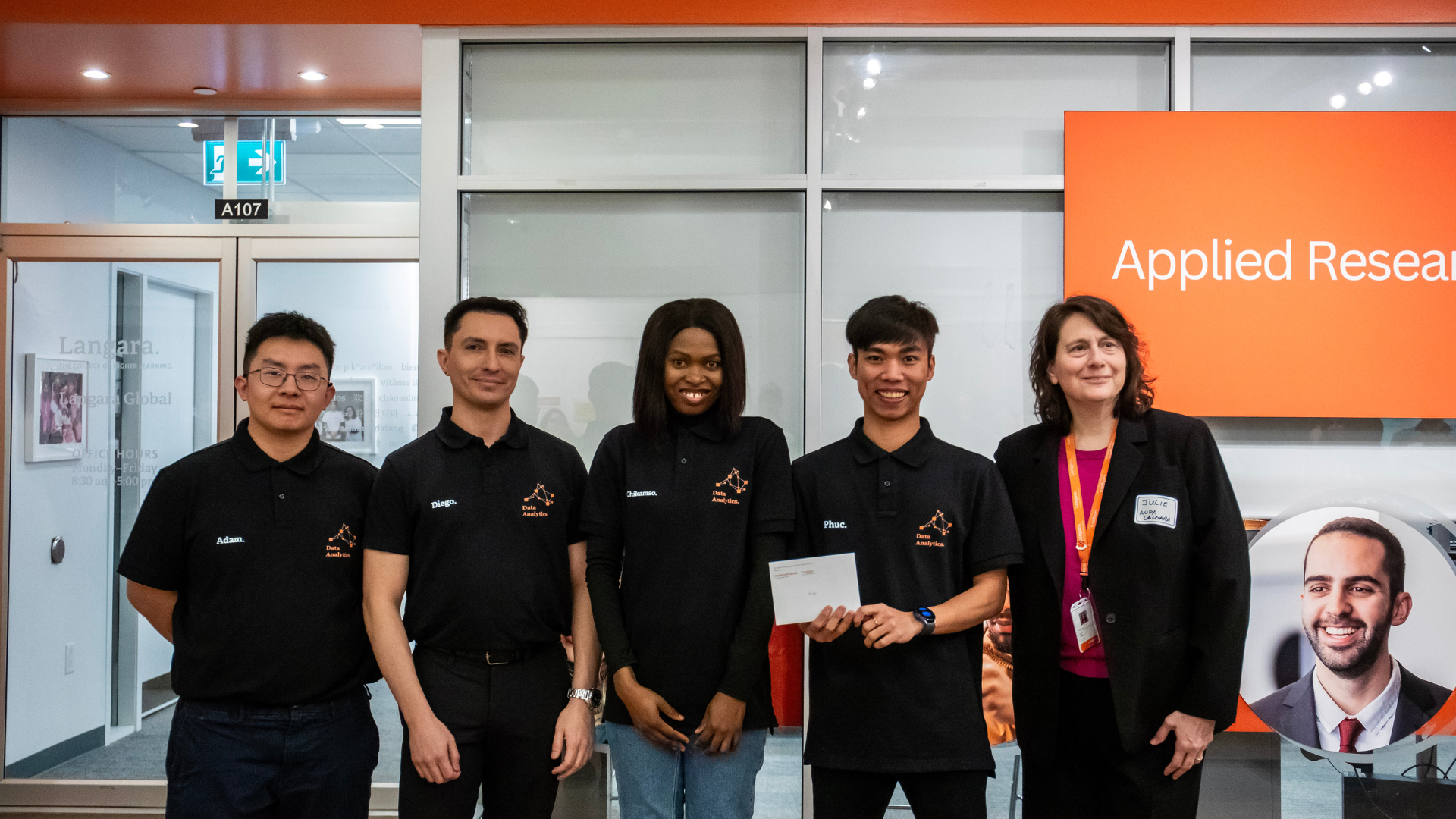
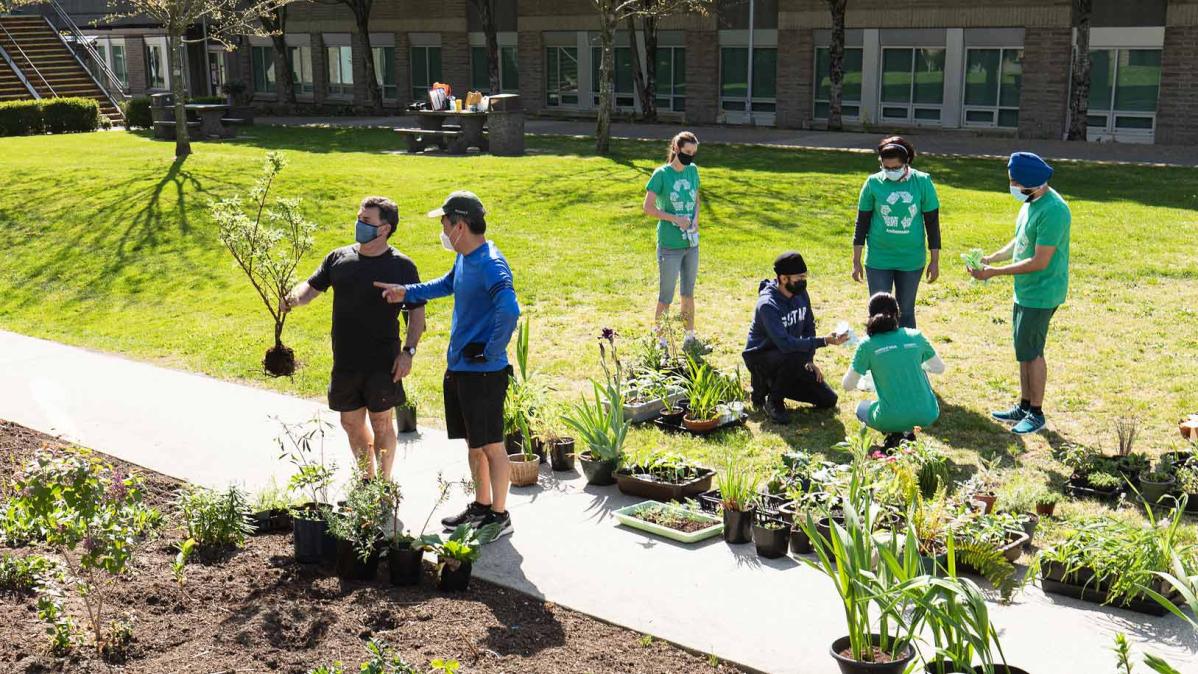
Student Sustainability Leaders Program
Gain hands-on experience and help shape a more sustainable campus.
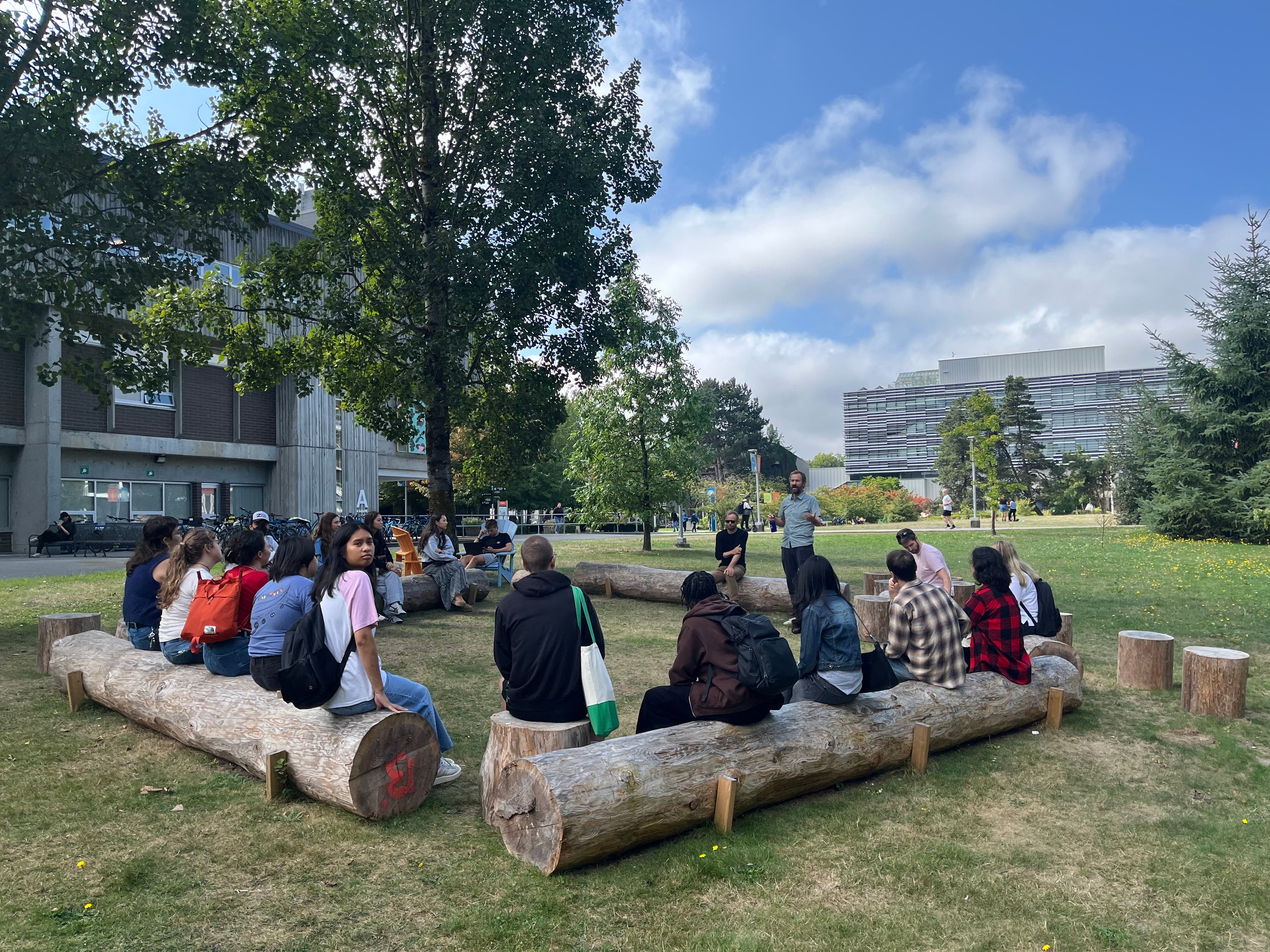
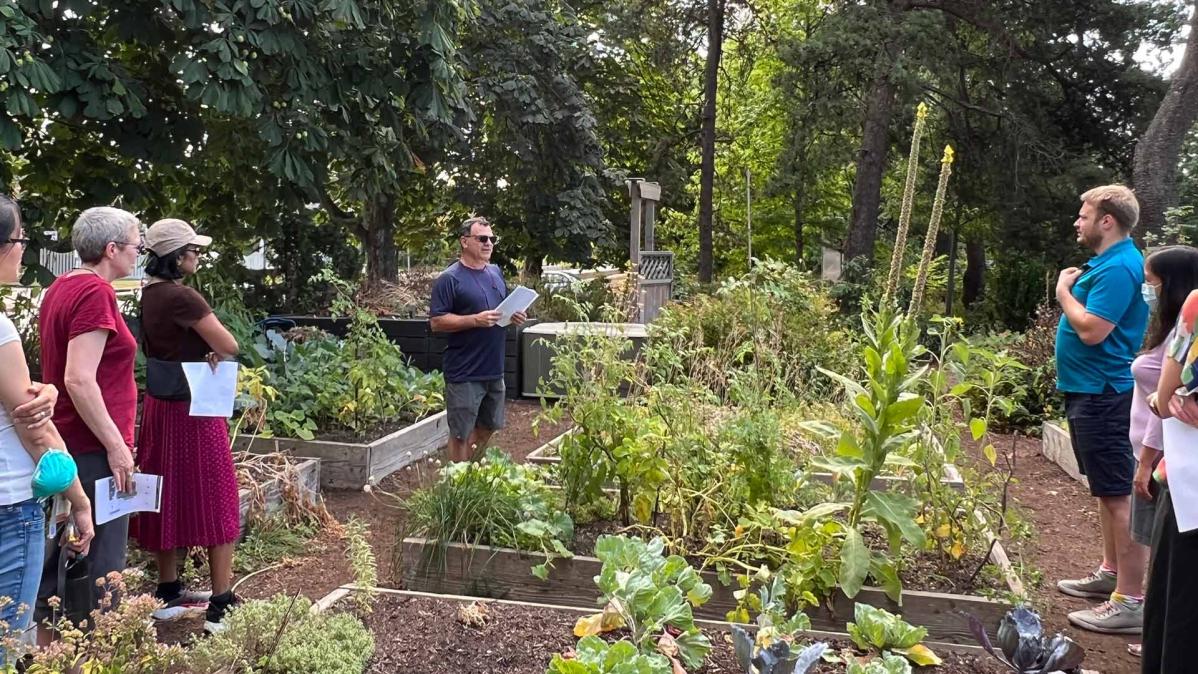
Sustainability tours

Image
Image
Image
Image
Accountability leads to action.
From climate targets to sustainability frameworks, we are committed to transparency and continuous improvement.
Click on the links below to view reports and commitments.
Click on the links below to view reports and commitments.
Policies and Procedures
The following policies and procedures govern our sustainability efforts:
