Not every future architect starts with a finished plan. At Langara, many start by building, experimenting, and seeing what fits. Design Formation offers a practical and accessible first step for students curious about architecture and other design fields – no final career map required.
Explore architecture and beyond
Design Formation gives snəw̓eyəɬ leləm̓ students a broad foundation in both 2D and 3D design, so they can explore multiple creative paths before committing to a specialty. The two-year, full-time, in-person program teaches core principles that support further study in a multitude of design disciplines.
Design Formation is a good program for the architecture-curious. We touch the foundation that supports a future in architecture and also creates a solid base for any design field.
– Katie Davis, Department Chair, Design Formation
Learn by building
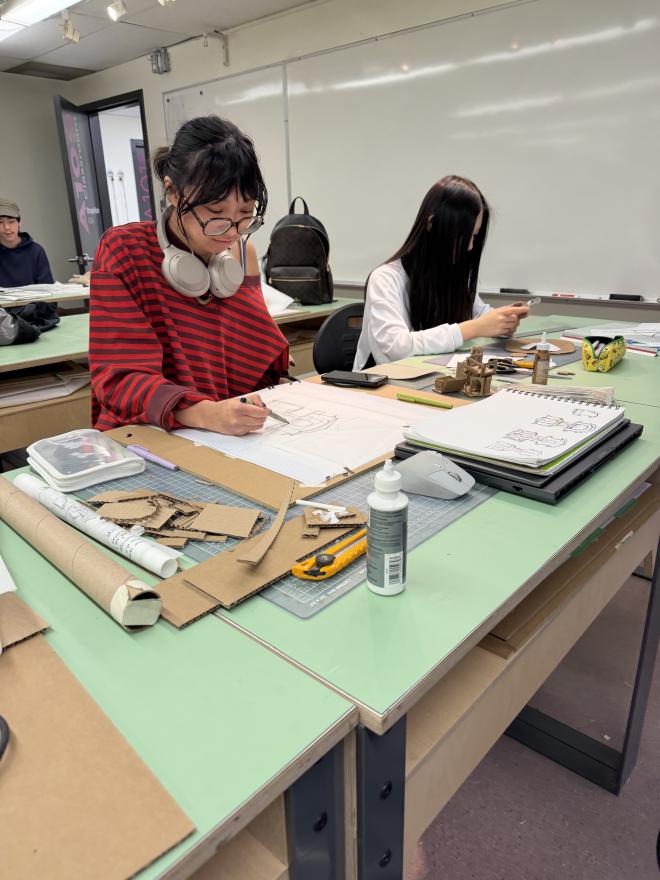
Studio work sits at the centre of the experience, allowing students to learn and grow in an environment that mirrors professional practice.
First-year student, Miles Ty, explains, “I’m most interested in architectural concepts because of the classes in Design Formation. The program pushes you to balance technical precision with creative and conceptual model-making, and I've never been more motivated to work as I have. I feel that my ability to communicate in architectural terms is developed with the combination of all classes, inhabiting a curious mindset to keep exploring daily.”
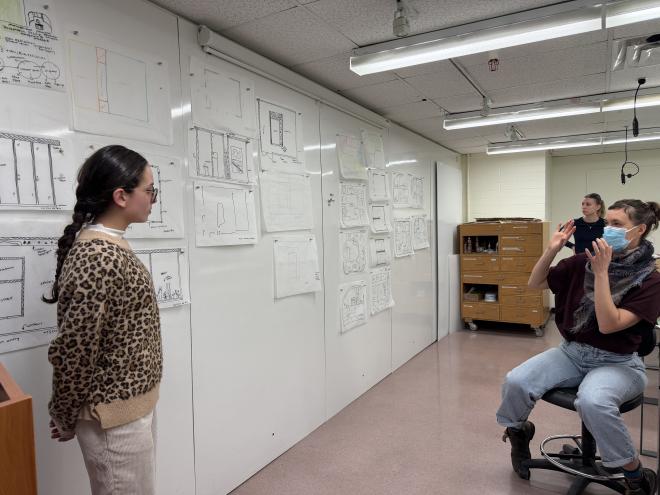
Final presentations happen throughout the term, so students practice presenting ideas and responding to critique — essential skills for design careers and competitive applications to advanced programs.
Davis emphasizes, “There are many paths into architecture – I think it is a mistake to assume that there is one right way to go. In my experience, it is more important to try it and know that is what you want than to put in the time, money, and all-nighters before you know it is where you belong.”
A close-knit studio setting
Langara’s smaller class sizes and studio-based approach create stronger connections between students and faculty. That scale supports personalized feedback, more collaboration, and access to wraparound supports that help students succeed.
The program’s emphasis on accessibility reflects another faculty priority: “We believe that design in all of its forms should be created by the people who use it,” says Davis. “Architecture, like many design fields, can feel unattainable to young students. Our goal is to reduce barriers and provide an accessible pathway so that the next generation of designers accurately represents the people it is meant to serve.”
Build your path forward
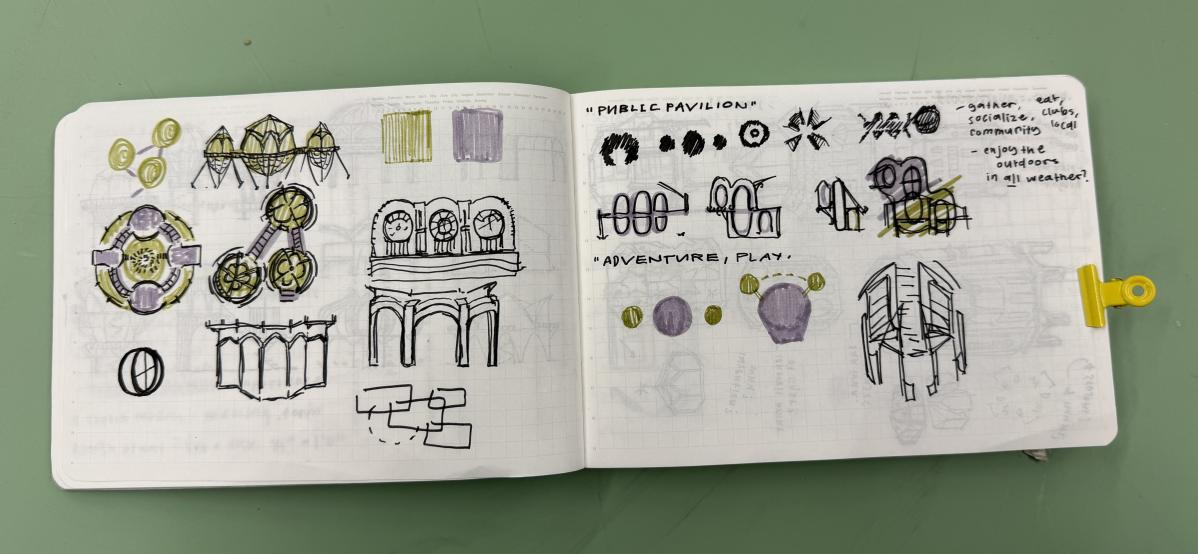
Students leave with a professional portfolio that showcases studio work and practical skills — a key asset for entering design-related jobs or applying to advanced architecture and design programs. As the Lower Mainland’s largest transfer institution to research universities in the province, Langara helps students move on to further study while providing a responsive, future-focused education that extends beyond the classroom.
Curious about Design Formation can lead to a future in architecture?
Join the Pathways to Architecture Info Session on April 9 from 4:00 to 5:00 pm (online) to hear about program structure, transfer options, and student work.
Full list of upcoming information sessions.